


History Heggstad petitions are named after the California court case, Estate of Heggstad. Mr. Heggstad created a living trust and identified the assets he wanted in the trust by filling out a schedule of assets attached to his trust. Unfortunately, Mr. Heggstad died before he could retitle those assets into the name of his trust. Wanting to avoid a full probate…

In a famous quote by Benjamin Franklin, “nothing can be said to be certain, except death and taxes.” Now taxes are not fun; however, they are certain, and there are many different kinds of taxes. In estate planning, we deal with several different types of taxes, and people often mix them up. Here we will lay out the different types…

Effective January 1, 2022, California Probate Code Sections 15800 and 16069 are amended by Assembly Bill 1079. The change in law affects Trustees who assume their role when the settlor or trustor (the creator of the trust) becomes incapacitated. Typically, the person or persons who create a revocable living trust hold the power to be able to revoke the trust.…
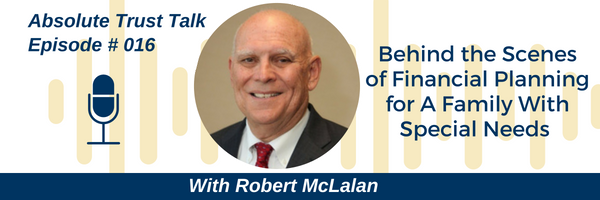
In this episode of Absolute Trust Talk, Kirsten welcomes Walnut Creek copyright law expert Kelley Way into the studio. This Walnut Creek native, wanted to practice copyright law since she was in high school, as two of her biggest passions are books and music. She fell in love with copyright law after resolving a case for her first ever client…